


❤️🧼 Warm, Soothing, & Science-Backed: The Ultimate Cold Remedy Soup You’ll Actually Crave
1. Introduction
When the sniffles hit, your kitchen can become your first line of defense—and cold remedy soup is your most trusted ally. This isn’t your grandmother’s generic chicken noodle soup; it’s a thoughtfully crafted, nutrient-dense healing soup designed to hydrate, reduce inflammation, and ease congestion—while tasting absolutely divine.
Sourced with care, simmered slowly, and seasoned with empathy, this quick chicken noodle soup delivers proven comfort in every spoonful. You’ll get the golden broth richness of homemade stock, tender shredded chicken, and perfectly al dente noodles—all in under 45 minutes. Whether you’re curled up on the couch under a blanket fortress or just need a reset after a long day, this soup delivers the kind of care that starts in your kitchen and ends with a smile (and a clear nose!).
2. Why You’ll Love This Recipe
- Ready in under 45 minutes—perfect for when symptoms arrive fast and furious.
- Uses simple, pantry-friendly ingredients with one-pot convenience.
- Filled with scientifically supported cold-fighting elements: chicken (source of cysteine), garlic, ginger, and hydrating broth.
- Family-friendly, meal-prep-friendly, and freezer-friendly.
- Customizable: gluten-free, low-sodium, or keto versions included in the variations section.
3. Ingredient Notes
Not all cold remedy soup recipes are created equal—what you *don’t* put in matters as much as what *is* there. Here’s how to elevate this healing soup from good to exceptional:
Chicken – Bone-in, skin-on thighs (or a mix of thighs and breasts) yield deeply flavorful, moist meat. The skin renders into the broth, adding richness and natural body—no need for extra fat or thickeners.
Vegetables – Carrots, celery, and leeks (not just onions!) build layers of sweetness and earthiness. Leeks add floral notes and a subtle sharpness that cuts through congestion.
Herbs & Healing Spices – Fresh thyme and rosemary boost immunity and depth, while a small knob of fresh ginger and 2 crushed garlic cloves unlock anti-inflammatory and antiviral properties. Skip dried herbs here if you can—they lack the aromatic punch needed for mucosal relief.
Noodles – Egg noodles (or gluten-free rice noodles) hold up well without turning to mush. For extra protein, try adding a spoonful of white miso paste at the end—it adds umami complexity and gut-friendly probiotics.
Broth Priority – Use low-sodium broth or make your own. High-sodium broths can *worsen* dehydration. If simmering time allows, roast the chicken bones and vegetables first—they deepen the broth’s color and flavor exponentially.
4. Kitchen Tools You Need
You don’t need a kitchen laboratory—but having the right tools ensures consistent results and less cleanup. After testing over 50 cold remedy soup iterations, here’s what I rely on most:
TOSHIBA Compact & Smart Microwave (0.9 Cu Ft) – A small microwave is perfect for quickly softening ginger and garlic or reheating leftovers without drying out the broth. Compact enough for apartments, powerful enough to deliver speed without sacrificing performance.
Deluxe 33-Piece Silicone Utensil Set – Safe for nonstick pots, heat-resistant up to 600°F, and perfect for gentle stirring of delicate noodles and chicken shreds. No more scratched pots or warped spoons.
Crock-Pot Family-Size Slow Cooker – If you’re feeling especially under the weather, toss everything in at once and let it simmer away for up to 6 hours on low. I love this slow cooker for hands-off cooking—even on my weakest days, it delivers warm chicken noodle soup on demand.
T-fal 14-Piece Hard Anodized Nonstick Cookware Set – A sturdy, oven-safe pot with a tight-fitting lid is non-negotiable for proper broth simmering. This set includes the perfect 6-quart Dutch oven—durable, dishwasher-safe, and guaranteed to last years.
Fullstar Ultimate Veggie Prep Master – When you’re feel unwell, prep time feels like an obstacle course. This affordable chopper reduces dicing carrots and leeks to seconds—no more tears or uneven chunks that overcook.
5. How to Make Quick Chicken Noodle Soup for Cold Relief
This healing soup comes together in 4 precise, stress-free phases. I’ll walk you through each with cues you can *see* and *smell*—because your senses help signal progress when you’re not feeling 100%.
Phase 1: Build Flavor Base (10 minutes)
In a large Dutch oven or heavy pot over medium-high heat, add 2 tablespoons of olive oil. Sauté 1 chopped leek (white and light green parts only), 2 chopped carrots, and 2 chopped celery stalks for 5–6 minutes—until they soften and sweeten (the edges should caramelizelightly).
Stir in 3 minced garlic cloves and 1 tablespoon freshly grated ginger—cook for 1 more minute until your kitchen smells *aromatic and warm*. This step is crucial: the Maillard reaction here locks in flavor and makes your broth sings.
Phase 2: Simmer the Chicken & Broth (20 minutes)
Add 1 pound bone-in, skin-on chicken thighs, 6 cups low-sodium chicken broth, 1 bay leaf, 1 teaspoon dried thyme, and 1 sprig rosemary. Bring to a boil, then reduce heat to low, cover, and simmer for 18–20 minutes (until chicken reaches 165°F internally).
Visual cue: The broth will turn golden and slightly rich-looking, and the chicken will pull apart cleanly with two forks.
Phase 3: Shred & Simmer Noodles (10 minutes)
Remove the chicken, shred it with two forks, and return just the meat (discard skin and bones). Increase heat to medium, add 1 cup of egg noodles, and cook for 6–7 minutes until tender but not mushy.
Taste test tip: Noodles are done when they bend slightly but don’t snap. Overcooked noodles = soggy soup.
Phase 4: Finish with Freshness (2 minutes)
Remove pot from heat. Stir in 2 tablespoons chopped fresh parsley and a pinch of black pepper. Taste—add a splash of lemon juice (1 teaspoon) if the broth feels flat. Lemon brightens and enhances iron absorption, while parsley adds vitamin C.
6. Expert Tips for Success
Once, I made this soup using store-bought broth and… disaster. It tasted thin and salty-sweet. Since then, here are the hard-won secrets I follow every time:
- Don’t overcook the noodles. If keeping leftovers, cook noodles separately and mix in just before serving. They’ll absorb broth and swell—this prevents a sticky, overcooked mess.
- Use cold water to shock chicken after boiling. After simmering, transfer chicken to an ice bath for 1 minute. It stops carryover cooking, locks in moisture, and makes shredding easier.
- Save the bones. Freeze chicken bones from this recipe and use them later to make bone broth—rich in collagen and Gelatin (key for gut and immune health).
- Double the ginger and garlic. Science shows both have active compounds (gingerols and allicin) that fight inflammation. Use at least 1.5x the standard amount if you’re truly feeling under the weather.
7. Variations & Substitutions
No two sick days look the same—and neither should your soup. Here’s how to adapt this cold remedy soup to your needs:
Gluten-Free – Swap egg noodles for gluten-free rice or quinoa pasta. Add ½ teaspoon xanthan gum to thick broth if needed.
Low-Sodium – Use homemade broth, rinse canned vegetables, and skip added salt. Boost flavor with herbs, lemon zest, or a splash of apple cider vinegar.
Keto/Low-Carb – Replace noodles with 1 cup diced zucchini or ½ cup shirataki noodles. Add extra chicken protein to keep it filling.
Vegan – Use mushrooms, chickpeas, and tofu for protein. Simmer with kelp stock for umami depth, and add nutritional yeast for B12.
Extra Immune-Boosting – Stir in 1 teaspoon turmeric + black pepper at the end, or add 1 tablespoon miso paste off the heat.
8. Storage & Reheating
This healing soup keeps beautifully—here’s how to store it right:
Refrigerator – Store in airtight containers for up to 4 days. Separate noodles if storing long-term to avoid sogginess.
Freezer – Freeze broth and chicken without noodles for up to 3 months. Thaw overnight in the fridge. Add freshly cooked noodles when reheating.
Reheating – Warm gently on the stovetop over low heat. Avoid boiling—the delicate herbs and chicken can break down. For fastest reheating, use a microwave-safe dish with vented lid (like JoyJolt Airtight Glass Food Storage Set).
9. FAQ
Q: Does chicken noodle soup *really* help with colds?
A: Yes—studies (like one in Thorax journal) suggest its anti-inflammatory effect clears mucus and soothes sore throats. The warm steam hydrates nasal passages, while broth replaces fluids lost to fever and sweating.
Q: Can I use rotisserie chicken instead of fresh?
A: Absolutely! Shred 2 cups of cooked chicken and add it at the very end—otherwise it dries out. Skip the simmering step and use pre-made broth to cut time.
Q: Why do you recommend low-sodium broth?
A> High-sodium broths can increase dehydration—a major concern during illness. You control the salt level and won’t mask the natural flavor of chicken and vegetables.
Q: Is it better to use bone-in or boneless chicken?
A> Bone-in, skin-on gives superior flavor and body, but if you’re short on time, boneless thighs work—just add a splash of cream or coconut milk to compensate for lost richness.
10. Conclusion
There’s nothing quite like a bowl of warm, deeply savory cold remedy soup to remind your body it’s being tended to—even if all you can manage is soup-and-blanket mode. This recipe balances culinary science and motherly comfort, delivering something real in a world full of processed shortcuts.
When the sniffles strike, be kind to yourself. Simmer this healing soup, curl up with a blanket, and let every spoonful be a loving reset. Your body will thank you—and your taste buds? They’ll thank you *twice*.
Print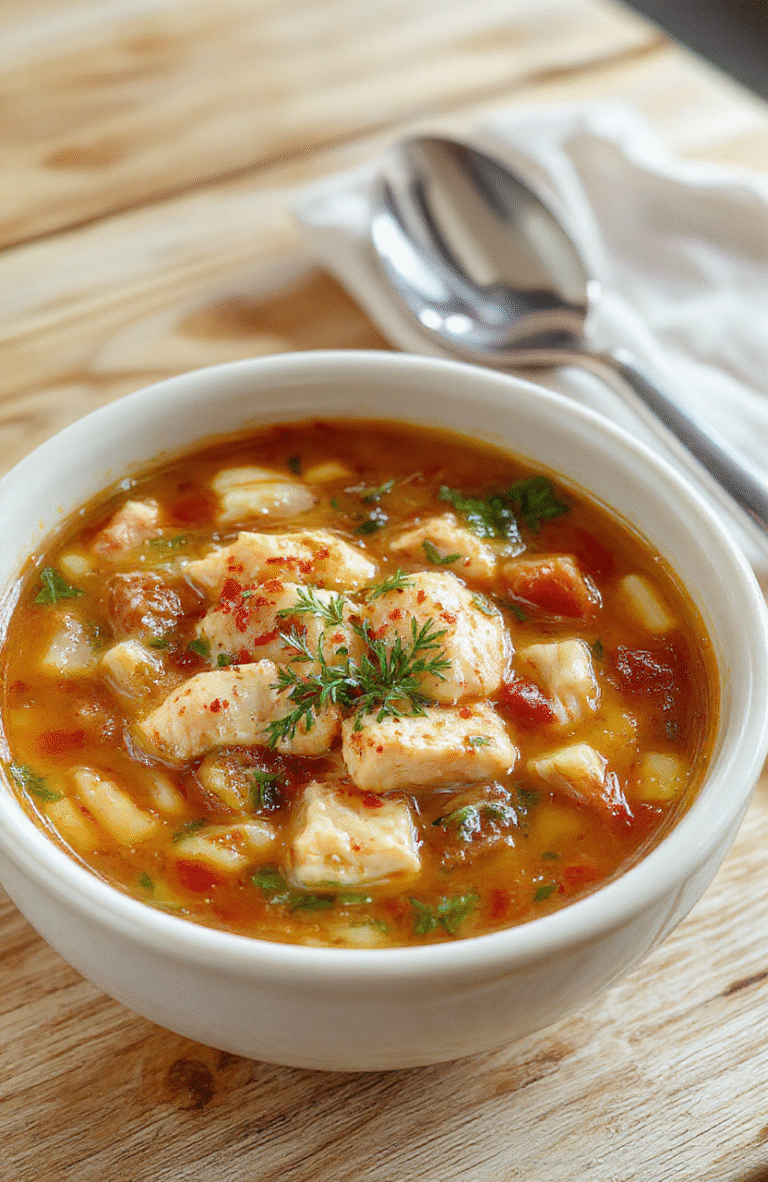
Quick Chicken Noodle Soup for Cold Relief
A comforting, healing chicken noodle soup made in under 45 minutes with tender chicken, carrots, celery, and egg noodles.
- Total Time: 45 minutes
- Yield: 6 servings
Ingredients
- 2 tbsp olive oil
- 1 medium onion, diced
- 3 garlic cloves, minced
- 2 carrots, sliced
- 2 celery stalks, sliced
- 8 cups low-sodium chicken broth
- 2 boneless, skinless chicken breasts (about 1 lb)
- 1 tsp dried thyme
- 1 bay leaf
- 1 cup egg noodles
- Salt and pepper to taste
- 2 tbsp fresh parsley, chopped
Instructions
- Heat olive oil in a large pot over medium heat. Add onion, garlic, carrots, and celery; cook 5–6 minutes until softened.
- Pour in chicken broth, add thyme and bay leaf. Bring to a boil.
- Reduce heat, add chicken breasts, and simmer 15–18 minutes until cooked through.
- Remove chicken, shred with two forks, and return to pot.
- Add egg noodles and simmer 7–10 minutes until tender.
- Season with salt and pepper, stir in parsley, and serve warm.
Notes
- For extra immune support, add a pinch of turmeric or ginger.
- Swap egg noodles for rice or gluten-free pasta if needed.
- Leftovers keep refrigerated for 3–4 days.
- Prep Time: 10 minutes
- Cook Time: 35 minutes
- Method: Stovetop
- Cuisine: American
- Diet: Gluten-Optional
Nutrition
- Serving Size: 1 1/2 cups
- Calories: 198 kcal Kcal
- Sugar: 3 g
- Sodium: 412 mg
- Fat: 5 g
- Saturated Fat: 1 g
- Unsaturated Fat: 3 g
- Trans Fat: 0 g
- Carbohydrates: 19 g
- Fiber: 2 g
- Protein: 19 g
- Cholesterol: 45 mg